

Emergency Dentist In Cincinnati, OH
Facing a dental emergency? Don’t wait—fast treatment can make all the difference. Reach out to our team immediately and let us help relieve your pain and protect your smile. Not sure if your issue qualifies as an emergency? Keep reading for helpful guidance.
Do I need emergency dental care?
It's not always easy to know when a dental issue crosses the line from "annoying" to "urgent." As a general rule, if you're in serious pain, have suffered a sudden injury to your mouth or teeth, or notice something out of the ordinary, like a loose crown, unexplained swelling, or a tooth that feels off, it's best to reach out right away rather than wait and see. Dental emergencies rarely improve on their own, and delaying care can turn a manageable problem into a more complicated one. When you call Hubbell J. Smith, DDS, we'll listen to what's going on, ask a few quick questions to understand the severity, and walk you through next steps. If you can't be seen immediately, we'll offer guidance to help manage your symptoms and keep you comfortable until we do.
Rapid Emergency Care
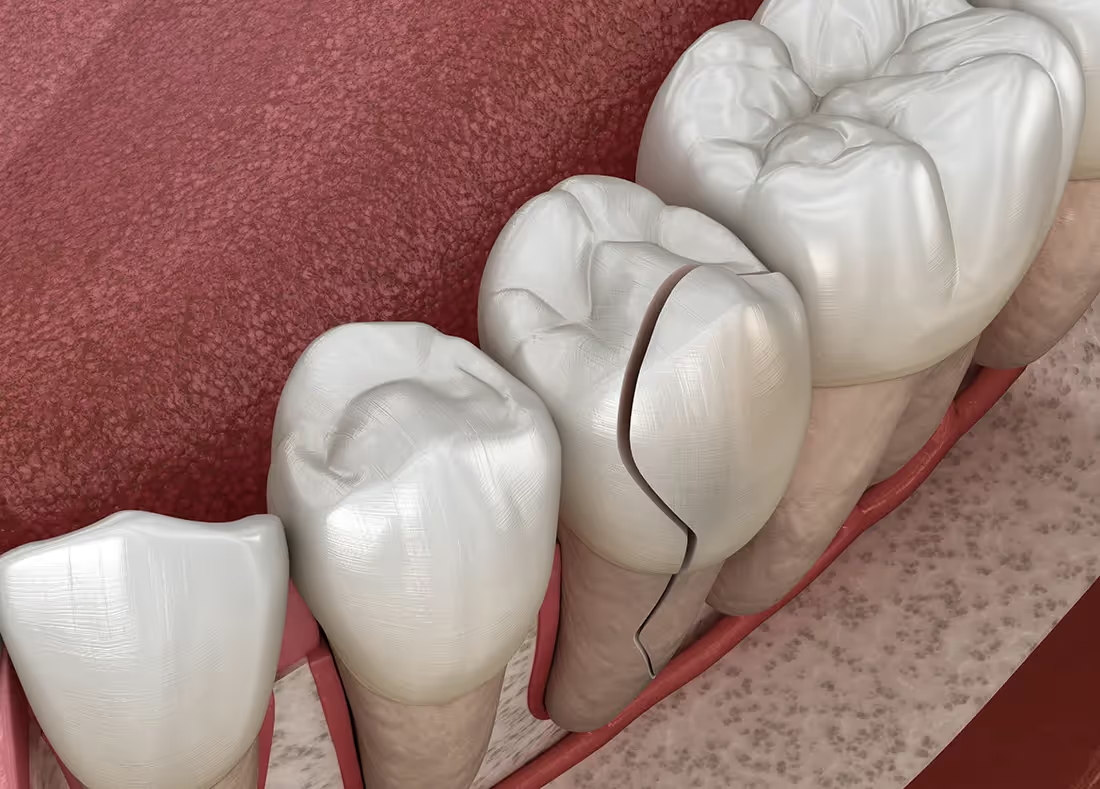
During a dental emergency, everything can happen fast, and waiting for an appointment shouldn't be part of the stress. If you need help right away, give us a call and we'll do everything we can to get you in the same day. Our team keeps time open in the schedule specifically for situations like this, so you're not stuck waiting days while a problem gets worse. From the moment you call, our priority is getting you out of pain and back on track as quickly as possible.

Problem-Focused Exams
When something's wrong, you don't need a full checkup, you need answers about the specific issue in front of you. That's what a problem-focused exam (sometimes called a limited exam) is for. Instead of a comprehensive evaluation, we zero in on the area that's hurting or injured, assess what's going on, and figure out the fastest path to relief. It's a more efficient way to get you seen, diagnosed, and treated without unnecessary steps standing between you and feeling better.

Digital X-Rays & Imaging
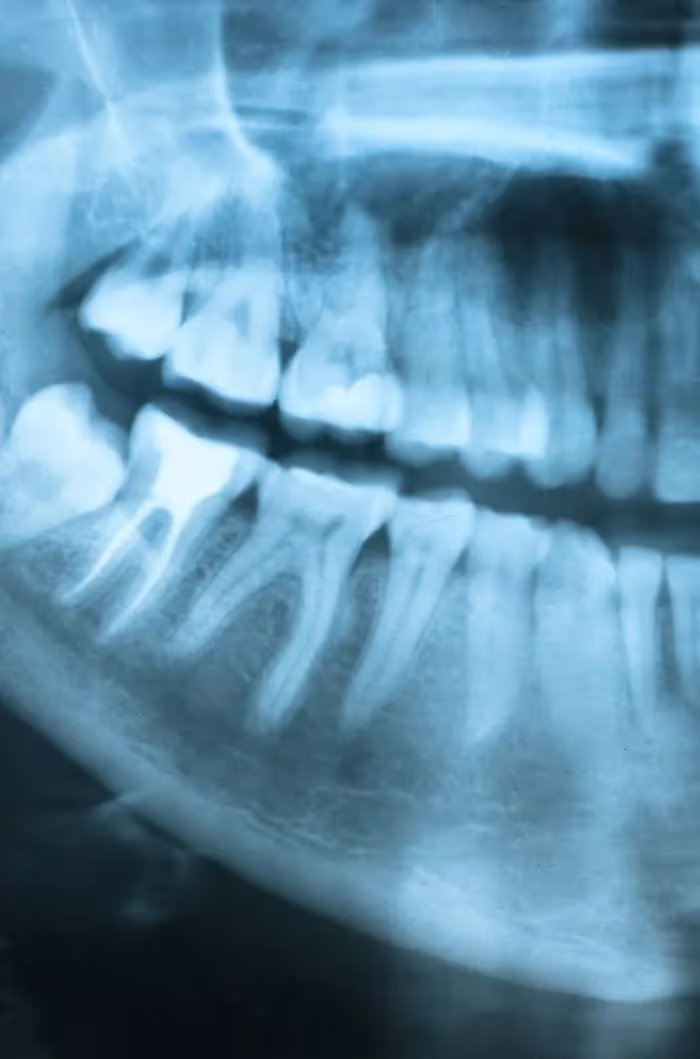
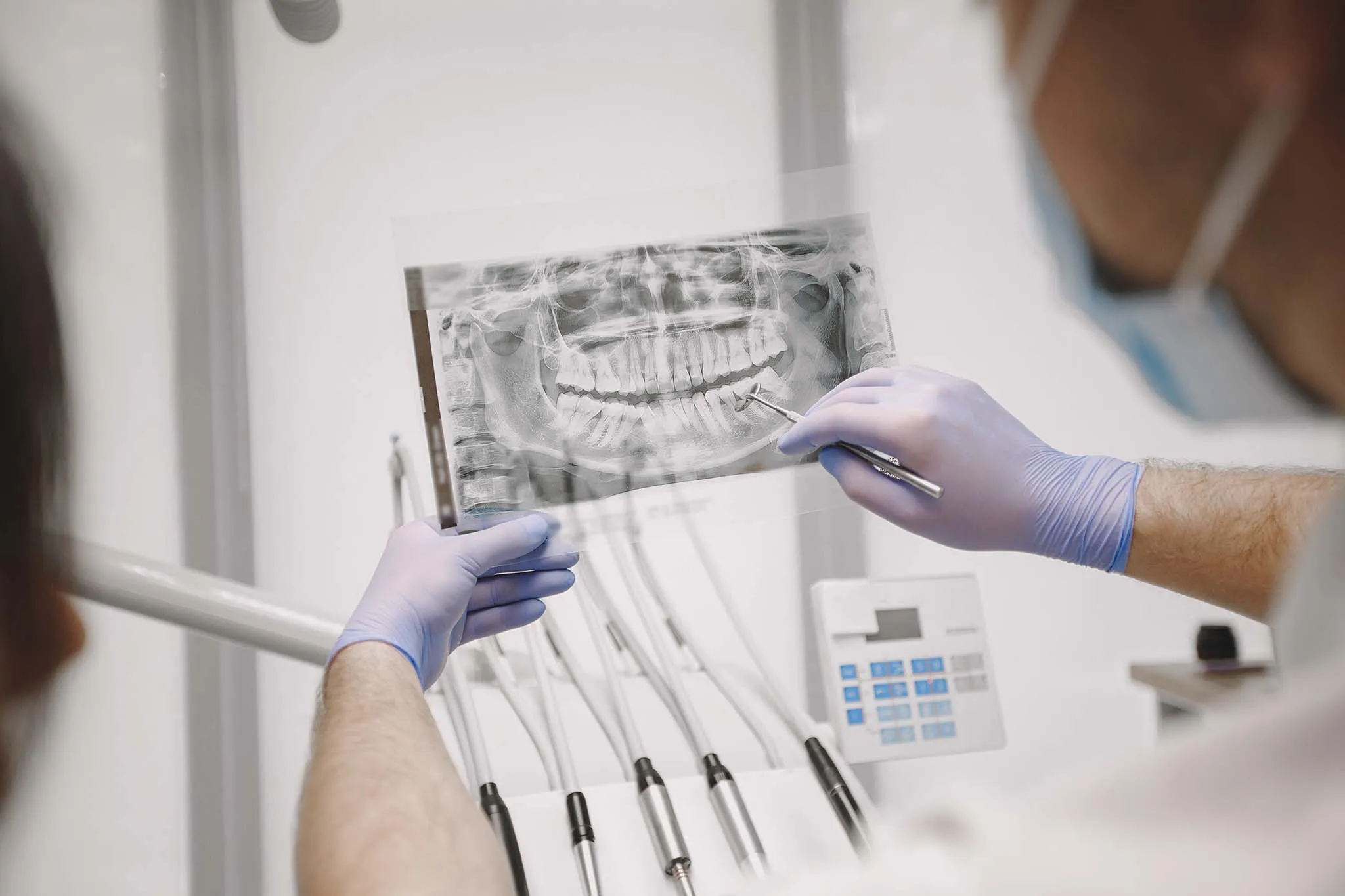
Better diagnostics lead to better outcomes, especially in an emergency where time matters. Our digital X-ray and imaging technology lets us see exactly what's happening beneath the surface, whether that's a fracture, infection, or damage that isn't visible to the naked eye. Because the images are ready almost instantly, we can build an accurate treatment plan on the spot instead of waiting on results. That means less guesswork, less back-and-forth, and a faster route to relieving your pain.
Find a solution to your dental emergency
No one plans to have a dental emergency, and that’s why we offer affordable emergency dental exams, so you don’t need to wait to get the care you need to relieve your dental pain.
Necessary X-Rays
Limited Exam
Treatment Plan
The Benefits of Emergency Dentistry
Fast Relief From Pain
Don't let pain control your day or keep you from doing what matters. Our team moves quickly to diagnose the source of your discomfort and get you real relief, not just a temporary fix.
Restore Your Smile
Injuries and infections can affect your appearance and your confidence. Emergency treatment helps you smile again with pride.
Prevent Bigger Problems
Left untreated, small dental issues can lead to serious complications. Emergency care stops problems before they escalate.
$[XX] Emergency Exam
What do I do in a Dental Emergency?

Keep Calm & Reduce Bleeding
Dental emergencies can be stressful, but staying calm helps you think clearly and act quickly. If there’s bleeding, gently rinse your mouth with warm water and use a sterile gauze or clean cloth to apply light but steady pressure. Hold it in place for 10–15 minutes or until the bleeding slows down. If a tooth has been injured, avoid touching or disturbing the area. Keeping calm will help you get through those first few critical moments until you can get professional help.
Control Swelling & Pain
For most dental injuries, you can manage pain and swelling temporarily at home. Use over-the-counter medications like ibuprofen or acetaminophen (as long as you do not have any medical contraindications) to control discomfort, but steer clear of aspirin—it can thin your blood and worsen bleeding. You can also apply a cold compress or ice pack to the outside of your cheek near the affected area in 10-minute intervals. This not only eases inflammation but can also help you feel more in control while you wait to be seen.

Call Us Right Away
Once you’ve managed your symptoms, the most important next step is to call our office. Whether you’re dealing with a knocked-out tooth, broken dental work, or unexplained pain, our team is trained to triage emergency calls and will guide you through what to do next. In many cases, we can fit you in the same day. The sooner we can assess the damage, the better our chances of preserving your smile and preventing complications.
FAQs
Frequently Asked Questions
Check out these frequently asked questions, or call us to speak with our team.
Act quickly—knocked-out teeth have the best chance of being saved if treated within an hour. Hold the tooth by the crown (top part), rinse it gently with water if dirty, and try to place it back into the socket. Don’t force it. If it won’t go back in, store it in a container of cold milk or saliva and bring it with you to your emergency appointment. Avoid touching the root to prevent further damage. The sooner we see you, the better the chance we can successfully reimplant the tooth.
If a dental restoration falls out, try to keep it safe and bring it with you in a sealed plastic bag or small container. Avoid chewing on that side of your mouth, and stay away from very hot, cold, or sugary foods that could irritate the exposed tooth. A lost filling or crown can leave your tooth vulnerable to bacteria and damage, so don’t delay. Contact our office and let us know what happened—we’ll do our best to get you in quickly and restore your smile.
A toothache that lasts more than 1–2 days, especially if it’s throbbing, may be a sign of infection or an abscess. Try rinsing with warm salt water, applying a cold compress, and using OTC pain relief to stay comfortable. But remember, these are only temporary fixes. A dentist needs to assess the cause of the pain to provide long-term relief. Depending on the severity, we may recommend a root canal or other treatment to save the tooth and prevent the infection from spreading.
Even a small chip or crack can lead to bigger problems if left untreated. Rinse your mouth with warm water and apply a cold compress to reduce swelling. Avoid biting down or chewing on the affected side. If you’re in pain or notice sharp edges irritating your tongue or cheek, let us know. We’ll examine the damage and recommend the most effective repair—whether it’s bonding, a crown, or another restorative option.
If your tooth has been knocked loose from trauma or an accident, you may still have a chance to save it—but you need to act fast. Refrain from wiggling or pressing on the tooth with your fingers or tongue, as this can worsen the injury. Call our office right away. If treated early, we can often stabilize the tooth with a splint and give it time to heal and reattach to surrounding bone and gum tissue. Waiting too long could lead to tooth loss, so don’t delay reaching out.